Footcare Express and the NBA

September 18, 2009 by orthotics  
Filed under Ask The Experts

Jarett Reinhartz, Owner & Managing Director of Footcare Express

Jarett Reinhartz, Owner & Managing Director of Footcare Express

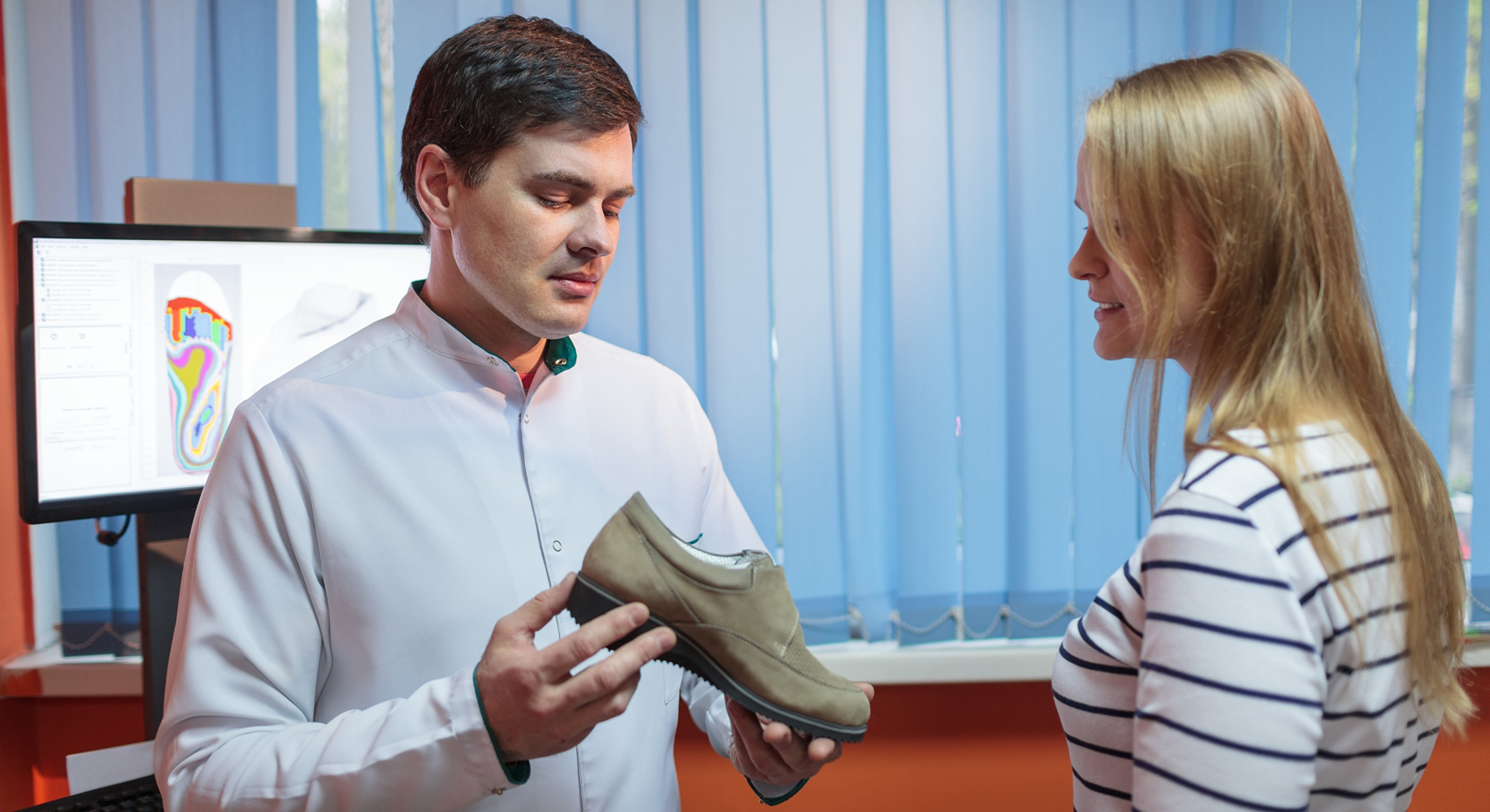
It’s that time of year… Starting Wednesday, our experts will be visiting with many teams in the NBA to conduct biomechanical evaluations of the lower extremity on various athletes.  Additionally, we will be scanning these individuals for custom foot orthotic devices that address current mechanical issues and/ or prevent future issues and increase athletic efficiency.

Follow us on our foot care journey.

  • Share/Bookmark

PitchMen Premiers on Discovery Channel With Impact Gel Insoles

April 15, 2009 by orthotics  
Filed under Press Releases

PitchMen on Discovery Channel

Foot Care is the most important thing to us here but Television runs a close second.  Well that’s not really true.  We are fitness buffs, but when a hot new show like PitchMen is premiering on the Discovery Channel and one of our products is featured, we suddenly become interested.

So make sure you tune to PicthMen tonight and watch Billy Mays put our Inpact Gel Insoles to the test.  He actually loves the product and has taken his act to the Tonight Show with Jay Leno and was literally a smash.

PitchMen is a show that promises to put all the claims of “As Seen on TV” products to the test and most won’t fare to well.  However, Impact Gel Insoles are a great product used by the leading Podiatrists and Podorthists around the world.  In fact, at FootcareExpress we are one of the few companies that feature the same material in our custom foot orthotics as well having a full range of the Inpact Gel Insoles you will in action on The Discovery Channel Tonight.

It’s not our fault that Television has discovered how great Impact Gel Insoles are, and please believe us when we tell you that this is no Inside The Egg Scrambler.

shoe-insoles

Impact Gel Insoles… Clinically Proven, Podiatric Tested! Designed to utilize the full impact absorbing power of Impact Gel providing ultimate cushioning. Antimicrobial foot bed construction helps eliminate odor-causing bacteria and reduces friction. Available in Men’s and Women’s sizes S-XL

Tender, sensitive feet can hurt when you walk, especially under the heels and balls of your feet where bone spurs and foot imbalances can create painful pressure points. In addition, with every step you take, a jarring shock wave pulsates upwards through your body, creating pain in your knees, legs and lower back. Impact Gel has created an incredible insole that absorbs eliminates the pressure that causes sore, aching feet.

  • Redistributes weight under sensitive pressure points.
  • Provides maximum foot protection where it is needed most.
  • Guaranteed cushioning comfort and durability
  • Advanced antimicrobial fabric provides exceptional odor control.
  • Helps you stay on your feet longer
VERY LIMITED SPECIAL OFFER: Only $24.99

Gel Insoles

  • Share/Bookmark

Exercise Warm-up and Cool Down

March 9, 2009 by orthotics  
Filed under Ask The Experts

Warm-up shifts blood from the center of the body to the working muscles during the first five minutes of exercise.  If you do this too quickly, the blood vessels will not fully expand and your blood pressure and heart rate will go up too fast.  This is dangerous for people with medical conditions.  In addition, it limits performance and you will fatigue earlier if you warm-up too quickly.  Cool-down is the same as the Warm-up and must last for about five minutes before you stop completely. The ideal way to warm-up and cool-down is to perform the same exercises that you do in the middle of the workout, but do them at a slower pace.  That’s it.

Daniel Steiner, M.Ed., C.D.E., ACSM Exercise Specialist is an In Your Home Healthy Lifestyle Manager.   He designs healthy, productive workouts for persons who want to reach their potential.  For more information, phone or fax to 305.935.4905.

  • Share/Bookmark

Flat Fleet

January 10, 2009 by orthotics  
Filed under Foot Conditions

Flat Feet

Flat Feet is more or less a condition of fallen arches. The instep, or arch, collapses and becomes flat against the ground. Hence the term flat foot. Flat feet are not always a result of a collapse, some arches never develop properly. When we are babies, our feet are flat and the arch normally over time. As long as there is no ball of foot pain or any other difficulties resulting from the condition there is no real need to seek treatment.

If you suspect you have flat feet, just take a look. In general flat feet do have a flat look to them and unusual wear of shoe soles can also indicate flat feet. If you suffer from lower leg pain, pain from the ankle into the instep of the of the foot or foot pain in general, this may be a result of flat feet.Flat Feet

If you suspect you have, and are suffering foot care issues you may wish to see a podiatrist for treatment.  Treatments are available and your podiatrist will prescribe them based on the cause of a particular case of flat feet. These treatments may include but are not limited to shoe inserts, arch supports, custom orthotics, braces, surgery or just anti inflammatory medication.

Living with minor pain from flat feet without treatment might seem normal but if the condition worsens it could lead to complications. Besides the expected swelling an pain in the soles of the feet, shin splints, stress fractures, Achilles tendinitis and bunions can develop. Seek the advice of a podiatrist or a foot specialist who can help with preventative measures.

  • Share/Bookmark

Diabetic Foot Condition

January 10, 2009 by orthotics  
Filed under Foot Conditions

Diabetic Foot Condition

Diabetes is a very serious chronic condition with all sorts of complications. Diabetics are extremely prone to foot problems. Just because you have Diabetes does not necessarily mean you will suffer from foot issues but being aware and preventative will allow you to spot foot problems which may or may not be related to the Diabetes itself.Diabetic Foot Ulcer

Foot problems associated with Diabetes are infections, damaged nerves and blocked arteries, all which can lead to foot ulceration. With diabetics infection and/or foot ulceration can often lead to amputation. Blocked arteries in the lower extremities can lead to severe pain so it is very important to associate diabetes with the need for proper foot care.

The good news is if the Diabetes is under control and monitored regularly foot problems can be avoided. But when issues begin they are very hard to reverse so taking preventative measures is of the utmost importance. People without any evidence of foot ulceration or infection should, with a physician, determine the risk of developing these issues and then plan health maintenance regiment.  Anyone already suffering from foot problems due to diabetes should immediately consult a physician and aggressively attack the problems. This goes for people experiencing severe pain who do not believe they are in any danger of developing ulcers or infection. Doctors can help you effectively manage your foot pain.

People with Diabetes have lower defenses against infections and ability for their body to fight them once they are infected. So minor scrapes and cuts in the foot area can quickly turn into an infectious nightmare for Diabetics. In addition the the fact that Diabetics are prone to nerve damage and arterial blockages, they may not actually feel the pain associated with a minor infection until it worsens.

Localized infections which are contained in one are of the foot or toes can be effectively treated with oral antibiotics. Infections effecting the entire foot must be treated more aggressively. High doses of oral antibiotics, intravenous antibiotics and even surgery may be required to control the infection.

Diabetic Neuropathy is simply damage to the never fibers in people with Diabetes. This becomes problematic because it affects the person’s to feel pain in the foot. So, it is vital for Diabetics to examine their feet daily and practice proper foot care and common sense hygiene.

  • Share/Bookmark

Cracked Heels

January 10, 2009 by orthotics  
Filed under Foot Conditions

Cracked Heels

Cracked heels, or heel fissures, are an extremely common foot condition. For the most part it is caused by dry skin and exhaserbated  by thick or callus skin. Generally cracked heals are nothing more than a cosmetic problem but the condition can become painful if the cracks themselves are deep into the layers of the skin. It is also possible for these deep cracks to become infected so it is important to pay attention to cracked heels if they become painful.Cracked Heels

It’s easy to differentiate between dry skin and cracked heels because with cracked heels you will noticed the dried skin will begin to turn a yellowish color at first and may appear brown along the sides of the heal. It becomes really obvious when small cracks in the skin appear because dry skin does not normally produce such a result.

Although it is a good idea to use a good skin moisturizer when dry skin appears anywhere on the foot, it may become necessary to seek treatment if and when it becomes painful to put weight on the heels and/or chunks of skin around the begin to separate and cause open wounds.

There are several causes contributing to cracked heels and one is just simply the propensity for dry skin. Another has to do with the way you walk and how your foot strikes the ground during your striding. Other factors which may contribute to cracked heels could be excessive standing, obesity, wearing open back shoes and skin conditions.

Just think for a moment. Standing too long can put undue pressure on the foot and cause the padding of the foot to try and expand. Open ended shoes do not support the heal properly and being overweight can force the weight bearing sections of the foot to flatten out and expand the heel. Our feet can only accept a finite amount of weight and anything more than that sends the foot pads of the feet looking for help. The result is a flattening of the fatty internal pads and expansion of the skin.

If you believe you are beginning to suffer from cracked heels you should first try using a quality cracked heel cream found in any drugstore. Follow the directions on the package and expect to have to moisturize twice a day. Another self treatment is the use of pumice stones to exfoliate skin of the heel. If a pumice stone does not help peel away extra layers of skin it is not a good idea to clip or cut the skin away. Let a podiatrist or other specialist help with this because any self cutting could lead to infection.

A podiatrist will have many treatment alternatives from prescription moisturizes to custom foot orthotics to provide more support for the foot and reducing the tendency for the skin to expand. Orthopedic shoes prove successful in many cases as do heel cups in your current shoes. Having and dealing with cracked heels is one thing, but finding out what may be causing yours is worth a quick trip to the podiatrist to ensure proper foot care.

  • Share/Bookmark

Foot Orthotics – Give the Gift of Foot Pain Relief

December 5, 2008 by orthotics  
Filed under Ask The Experts

This year give someone you love a gift that will last a lifetime.  Those suffering from foot pain, heel pain, knee pain and back pain would love nothing more to find relief this holiday season.

A pair of custom foot orthotics from Footcare Express is exactly what the doctor ordered. Literally! A custom orthotic device will bring the foot and ankle into proper alignment an in many cases allow a person to walk, run, or bend properly for the very first time in their lives.

Not everyone is able to offer a truly custom foot orthotic and it CANNOT be found in any drugstore or infomercial. To be custom, a mold of each foot must be cast and analyzed by a professional Pedorthist or Podiatrist and then fabricated by an experienced lab technician according to a prescription.

It is very rare for one of our feet to exactly match the other so the chances of your foot or the foot of someone you love to match an orthotic insert that is already made is slim to none.

Here is how Footcare Express can deliver a truly custom fit orthotic to your door for Christmas. First we send our Quickmeasure Kit to be wrapped and placed under the tree. When the gift is opened the recipient will make a custom mold of their foot according to the included instructions and have a perfect foot cast molded in seconds. Then they simply return the foot cast to Footcare Express in the pre-paid packaging and pain relief will arrive in a matter of days.

It is a particularly good time of year to send Custom Foot Orthotics as a gift because many people we love are about to embark on their New Year’s Resolutions of good health through exercise. Orthoses will help prevent the type of injuries suffered from over exertion or bad form.  These injuries include shin splints, ankle sprains and strains, torn ligaments and muscles and knee, hip and back pain.

Everyone can use the gift of proper foot care and pain relief. Whether it is a grandparent who suffers minor pain or stiffness while walking, a nephew looking for an advantage on the soccer field or a runner looking to run pain free, give the gift that will change someone’s life forever.


Get Your Custom Foot Orthotics right here Online! or Call 1-877-OUR-FEET

We carry a full line of custom foot orthotics! Sports orthotics, Dress Orthotics, Causal Orthotics, Express Correct Foot Orthotics and Orthotics for Sandals. Additional we have created the finest high tech pre-designed foot orthotics on the market. Take care of your feet with our custom foot orthotic, arch supports, shoe insoles and footwear! Visit our online Foot Orthotics Store!

  • Share/Bookmark

Foot Care Tips!

November 24, 2008 by orthotics  
Filed under Ask The Experts

  • Except at the beach, avoid going barefoot, even in your own home.
  • If you have foot problems, inspect your feet every day or have someone do this for you. If you notice any redness, swelling, cracks in the skin, or sores, consult your physician
  • Trim or file your toenails straight across. If you have foot problems, inspect your feet every day or have someone do this for you. If you notice any redness, swelling, cracks in the skin, or sores, consult your physician.
  • Bathe your feet daily in lukewarm (not hot) water, using a mild soap, preferably one containing a moisturizer, or use a moisturizer afterward.
  • Panty hose or stockings should be of the correct size and preferably free of seams.
  • A shoe with a firm sole and soft upper is best for daily activities.
  • Share/Bookmark

Helping Diabetics Manage Their Foot Care Needs

November 24, 2008 by orthotics  
Filed under Foot Care Articles

Preventing foot problems is essential for both children and adult diabetics, according to Harold Reinhartz. D.P.M, a podiatrist with 29 years experience. Regular examinations, proper foot care, and properly fitted shoes are fundamental needs for diabetics to reduce the risk of bleeding sores, ulcers and hard-to-treat infections.

Diabetes is a chronic disease that will cause more than 178,000 deaths in the United States this year, according to the American Diabetes Association.

“Diabetes accounts for 50 percent of all non-traumatic amputations of the lower extremities,” says Louis Chaykin, M.D., a leading Miami endocrinologist and former president of the American Diabetes Association/Florida Affiliate. “At least half of the 50,000 amputations that occur annually as a result of diabetes complications could be prevented by appropriate footware.”

While physicians expect the current 16 million diabetics in the United States to double in the next 30 years, researchers have made relatively little progress in treating the disease since 1921, when insulin injections first began.

That makes preventive care even more important, says Dr. Reinhartz, who is a co-founder of Footcare Express, a Miami store specializing in prescription foot orthotics, custom shoes and foot care products. “Diabetics are apt to have serious problems with their feet, especially when blood circulation or nerves are impaired,” he says. “When blood circulation is poor, the tissue in the foot is less able to fight infection and to regrow skin over a wound. If the nerves to the foot are impaired, an injury can occur without pain and may go unnoticed.”

Dr. Reinhartz said a recent survey of diabetic patients at a Veterans Affairs hospital found that 50 percent had circulation and nerve damage, plus some type of foot deformity.

Charles Adler, D.P.M., a board-certified podiatrist who is chief of podiatry at Columbia Aventura Hospital and Medical Center and president of the Dade County Podiatric Association, says it’s very important for diabetics to wear the right shoes and orthotic devices. “Young and healthy diabetics with good circulation can use functional orthotics to prevent future problems. Older diabetics, especially those with calluses, corns or hammertoes, should use soft orthotics to offload pressure from those areas.”

Footcare Expess the nation’s first “one-stop footshop,” uses a high-tech approach to correcting foot problems in diabetics. After a physical examination of the foot, a computerized gait analysis is performed using the new F-Scan equipment Paper-thin, disposable sensors are placed in a person’s shoes to show the reactive forces between the foot and footwear as they occur. Next, a video motion analysis is used to study the person’s gait while walking or lightly jogging on a treadmill. Finally, a laser scanner generates a three-dimensional computerized image of the feet showing any pressure points or potential problem areas.

Our experienced technicians then design and fabricate foot orthotics to prescribed specifications, using an on-site CAD-CAM laboratory to make custom-fitted devices in about an hour.

Footcare Express also sells compression hosiery, special lotions, special extra-depth shoes, diabetic socks, insoles with magnets to increase circulation and other foot care products for diabetics to prevent chafing and protect the skin. For example, Footcare Express sells special Juzo compression hose for diabetics that provides support from the toes all the way up the leg.

“Diabetics should always check their shoes and socks to make sure nothing is sharp or rubbing,” says Kustra. “It’s a good idea to check the bottom of the feet at the end of each day. Use a mirror if necessary.”

A diabetic can come to FootLabs to identify pressure points on the foot where sores or ulcers might eventually arise, and determine how well the feet are functioning biomechanically. “We can then provide an over-the-counter device or an accommodative orthotic to prevent that person from having problems later on,” says Kustra. An accommodative orthotic is a soft and flexible cushion that supports and protects the foot.

The federal Medicare program reimburses diabetics for one special pair of shoes and three sets of inserts per year, says Reinhartz. A prescription and a note from the doctor are necessary. For diabetics covered by private insurance companies, Footcare Express can provide a letter of medical necessity.

Since cuts, scrapes, blisters and puncture wounds are part of childhood, diabetic children should always wear some kind of footwear, says Dr. Reinhartz. If splinters become lodged in the foot, or if an infection or puncture wound occurs, the child should be treated promptly by a professional.

As children grow, the shape and structure of their feet changes. That means a regular evaluation is important to identify and correct potential problem areas.

Poor circulation is a chronic problem in persons with adult- onset or Type II diabetes. Chronically tired or painful feet, along with symptoms such as numb, tingling, cold or blue feet or swelling that will not go down indicate poor circulation. Cramping may occur at night, during rest or while walking a short distance. Smoking, caffeine and stress usually increase the severity of these symptoms.

“Diabetics who suffer from these symptoms may benefit from properly fitted shoes or custom orthotics,” says Dr. Adler. “For example, cramping and fatigue may occur because the bones in the foot are not aligned correctly to propel the body forward when walking. These types of biomechanical problems can be corrected easily.”

Diabetic neuropathy can cause a person to lose the ability to feel pain, heat and cold in the foot. Protective footwear is especially important in these cases, since a small cut, a splinter, or a bruise may not be noticed until a serious infection occurs.

Many diabetics also suffer from dry skin, which may lead to itching, fissures and cracks in the skin’s surface. Moisturizers and lubricating creams may help prevent problems from developing, according to Dr. Reinhartz.

“If you have diabetes, you should have your feet examined at least yearly to determine the level of risk for foot ulcers,” he says. “At Footcare Express, we work closely with physicians to provide the right footwear and assure a high quality of life for diabetics.”

Recommendations for Diabetics

If you are a diabetic, the American Podiatric Medical Association recommends:

  • The shoes should always fit properly.
  • The widest part of the shoe should match the widest part of your foot.
  • The shoe should fit the natural outline of your foot and be snug, but not tight.
  • The shoe should have a firm heel counter to keep the foot in place.
  • The heel should give a wide base of support.
  • The toe area should be round and high to allow space for toe deformities.
  • The upper portion of the shoe should be soft and flexible.
  • The lining should be smooth and free of ridges, wrinkles or seams.
  • New shoes should be worn for short periods of time until they are broken in and comfortable.
  • If you have a deformity, you should wear special shoes or have an accommodative orthotic prescribed for your shoes.
  • Share/Bookmark

Podiatrist Advises Foot Screenings For Growing Children

November 24, 2008 by orthotics  
Filed under Foot Care Articles

When Richard, a 10-year-old boy, injured his ankle sliding into second base in a Little League game, he didn’t complain about the pain. But three weeks later, his parents saw that Richard’s foot kept turning inward, and brought him to Harold Reinhartz, D.P.M., a podiatrist with 29 years experience and co-founder of Footcare Experss, a Miami store that specializes in functional foot orthotics, custom shoes and foot care products.

“Richard had stretched his tendon enough to weaken the ankle,” says Dr. Reinhartz. “His ankle was getting weaker and weaker. Left untreated, he would have developed devastating leg, knee, ankle and back changes over the years. But thanks to functional foot orthotics and physical therapy, he’s fine.”

Parents take their children to the dentist to have their teeth checked. Vision and hearing screenings are done in school. But it’s rare for children to have their feet examined, says Dr. Reinhartz.

Yet, a brief screening by an experienced podiatrist using a computerized gait analysis combined with video-motion analysis — the process followed at Footcare Express — can detect problems with the bones of the foot, the surrounding muscles or the way a child is walking — before they become more serious.

“I feel that foot screenings are extremely important for both children and their parents,” says Dr. Reinhartz. “Many children’s gait problems are easily correctable with properly prescribed foot orthotics by a licensed podiatrist.”

The consequences of ignoring a difficulty with the foot vary with the individual and nature of the problem, Dr. Reinhartz says. “An untreated tight Achilles tendon, for example, puts excess pressure on the foot, which eventually can lead to deformities. Other types of foot problems can cause back, hip or knee problems, because the way a person walks affects the whole muscular skeletal system.”

Preventing problems with a functional foot orthotic — a customized device inserted into the shoe to relieve pressure points, support the foot more effectively and assure proper alignment of the feet, ankles, knees and legs — usually lets a child walk, run and play with more energy, while reducing the risk of injuries.

Dr. Reinhartz advises parents to watch for these early warning signs of foot problems:

  • Chronic ankle sprains
  • Frequent muscle cramps
  • An ankle that turns in when walking
  • Knees that turn in or out when walking
  • Curly toes or deformed toes
  • Clumsiness
  • Differences in symmetry between the feet and legs
  • A child who wants to be carried
  • Abnormal sitting positions
  • Family history of foot problems
  • Child’s history of foot problems
  • Heel pain, especially in children age 8 to 12
  • Broken-down heel counters
  • Inside or out toe walking
  • Frequent fatigue during or after walking
  • Persistent pain, swelling, redness, blisters or bunions
  • Lateness in starting to walk (12 months or longer)

“Most children don’t complain about their feet,” Dr. Reinhartz says. “So as a parent, you have to be alert for other symptoms and observe whether or not the child exhibits a limp. And if a child starts complaining, you know there’s a problem that requires attention.”

  • Share/Bookmark